Why Your Cocktail Ice Cracks, Shatters and Melts Too Fast
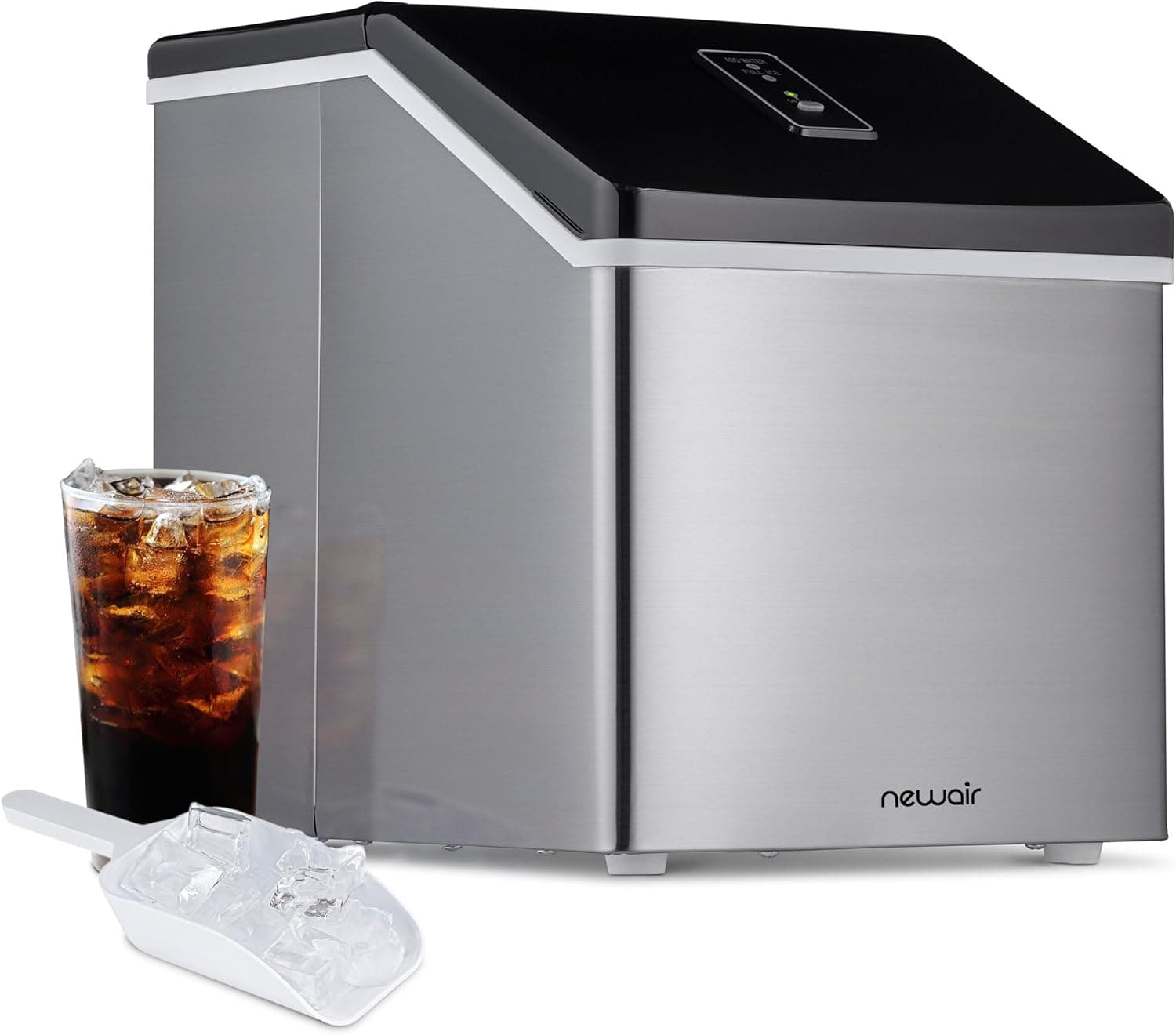
Home freezer ice often cracks loudly when you pour a drink over it, breaks into shards in the shaker and melts quickly, leaving cocktails watery. Bars avoid this with dense, clear ice kept at the right temperature. You do not need a professional ice machine to improve things, just a better understanding of why ice fractures and how temperature affects melting.
Why ice cracks
Ice straight from a very cold freezer can be well below freezing. When room-temperature or warm liquid hits it, the outer layer warms and expands quickly while the core stays cold, and that stress makes the cube crack.
Cloudy ice cracks more easily because trapped air bubbles and impurities create weak points. Cubes made in trays freeze from all sides at once, pushing air and minerals into the centre, which is why the middle of a normal ice cube is white.
Temper ice before using it
Let ice sit at room temperature for a few minutes before building a drink until the surface looks slightly wet. This tempering brings the ice close to 32°F (0°C), so it does not shock and crack when liquid is poured over it.
Tempered ice also gives more predictable dilution when shaking and stirring. Ice that is extremely cold can freeze to the shaker walls and release water unevenly.
Make clearer, denser ice
Directional freezing makes much clearer ice. An insulated clear ice mould or a small cooler filled with water in the freezer lets water freeze from the top down, pushing air and impurities to the bottom where they can be cut away or discarded.
Large cubes and spheres melt more slowly than small cubes because they have less surface area relative to their volume. Use them for spirit-forward drinks served on the rocks, such as an Old Fashioned.
Match ice to the drink
Use solid, standard-size cubes for shaking, since they chill quickly without breaking into slush. Crushed or nugget ice is ideal for juleps, swizzles and tiki drinks, where fast dilution and frosty glasses are part of the style.
Avoid using the same ice you shook with in the serving glass. Shaken ice is broken and partly melted, so strain the drink over fresh ice to keep it cold and less diluted.
Store ice properly
Ice absorbs freezer odours, which can make cocktails taste stale. Keep cocktail ice in a covered bin or sealed bag, away from strong-smelling foods, and replace it every couple of weeks.
For parties, keep ice in an insulated ice bucket rather than a bowl, and chill glasses in the freezer beforehand. Colder glasses help ice last longer and keep drinks from warming quickly.