Shaken vs Stirred
As an Amazon Associate I earn from qualifying purchases.
Shaken or stirred is one of the first real decisions a new home bartender faces, and it is often treated as a matter of style or a famous movie line. In reality, the choice is practical. Each method chills and dilutes a drink differently, and each produces a different texture and appearance. Once you understand what each one does, picking the right method becomes almost automatic.
Shaking is vigorous. When you seal ingredients with ice in a shaker and shake hard for ten to fifteen seconds, you chill the drink fast, dilute it with a good amount of melting ice, and whip tiny air bubbles and ice shards into the liquid. The result is cold, slightly frothy, and cloudy, with a lively texture. That aeration is exactly what you want in certain drinks, giving them a refreshing, almost effervescent quality.
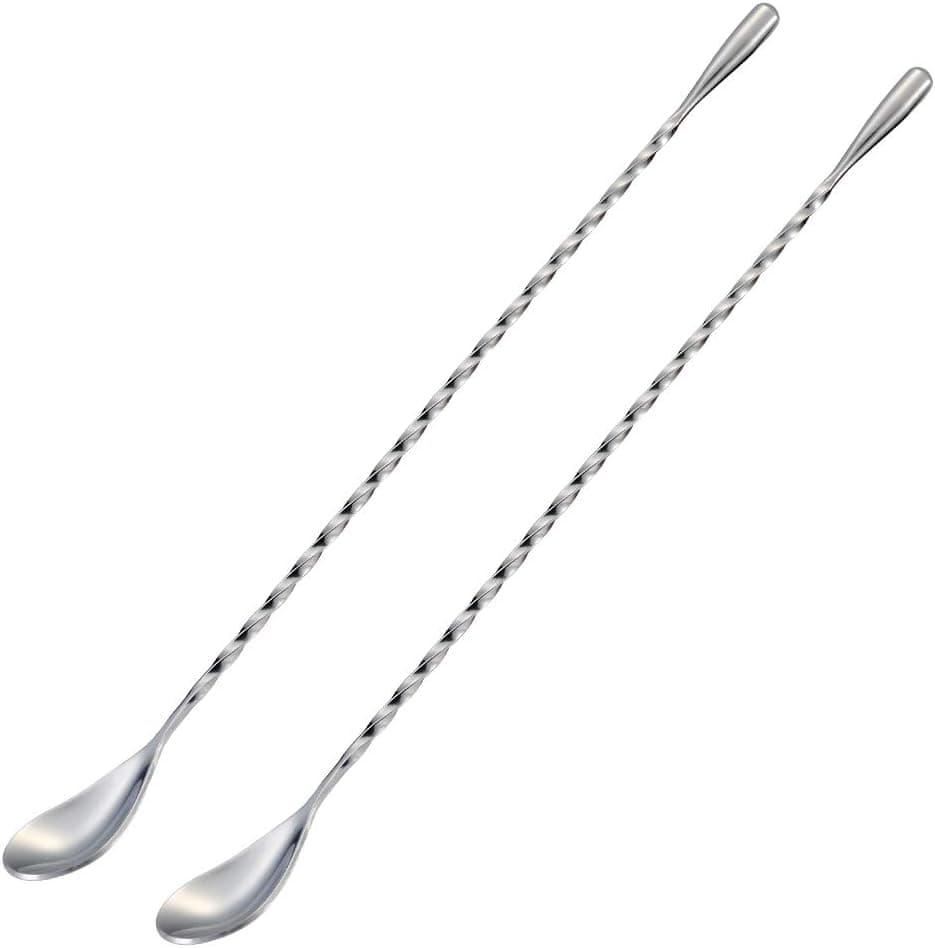
Stirring is gentle. You combine ingredients with ice in a mixing glass and stir smoothly with a bar spoon for around thirty seconds. This chills and dilutes the drink with far less agitation, so it stays silky, clear, and dense rather than frothy. The texture is smooth and almost velvety, which flatters spirit-forward drinks where you want the liquor to shine through cleanly.
The classic rule of thumb is simple and reliable. Stir drinks that are made entirely of spirits, like the Martini, Manhattan, Negroni, and Old Fashioned. Shake drinks that contain citrus juice, egg white, cream, or other cloudy ingredients, like the Daiquiri, Margarita, Whiskey Sour, and Cosmopolitan. The presence of juice or dairy is your clearest signal that shaking is called for.
The reasoning behind the rule is about matching texture to ingredients. Citrus and egg benefit from the aeration and quick chill of shaking, which brightens and lightens them. A spirit-only drink has nothing that needs frothing, and shaking would just cloud it with air bubbles and ice chips, muddying that crystal clarity that makes a well-made Martini look so appealing in the glass.
There are a few gray areas worth knowing. Some bartenders shake drinks that include a small amount of citrus but want a smoother presentation, and some stir lightly juiced drinks by preference. A famous exception is the vodka Martini some people order shaken, which comes out colder and cloudier than the stirred version. Neither is wrong, since these are choices about the experience you want, not rules of physics.
When you are unsure, fall back on the citrus test and adjust to taste. Make the same drink both ways once and taste them side by side. You will feel the difference immediately, the shaken version brisk and frosty, the stirred version smooth and pure. That single experiment teaches the concept better than any explanation, and it will guide your choices for good.