Wine Service Basics
As an Amazon Associate I earn from qualifying purchases.
Serving wine well at home is not about memorizing obscure rules or performing an elaborate ritual. It is about a handful of practical basics that genuinely change how a bottle tastes and how comfortable your guests feel. Getting temperature, glassware, and pouring right costs nothing and makes even a modest bottle show its best, so these are skills worth learning for anyone who keeps a home bar.
Temperature is the single most influential factor in how a wine tastes, and most people get it slightly wrong in the same two ways. White wine is often served too cold, which mutes its aromas and flavors, while red wine is frequently served too warm, which makes the alcohol feel harsh and the fruit taste flabby. As a rough guide, most whites are best lightly chilled rather than ice cold, and most reds are best slightly below typical room temperature, cool enough to feel refreshing but not cold to the touch.
Glassware matters more than many people expect, though you do not need a different glass for every varietal. A good all-purpose wine glass with a reasonably large bowl and a stem covers almost everything. The bowl gives the wine room to breathe and lets you swirl it to release aromas, while the stem keeps your hand from warming the wine and smudging the bowl. Filling the glass only about a third full may look stingy, but it leaves space for the aromas to gather and is exactly how wine is meant to be served.
Opening a bottle cleanly is a small skill that quickly becomes second nature. Cut the foil neatly below the lip of the bottle with a knife or the blade on a waiter's corkscrew, insert the screw into the center of the cork, and draw it out with steady, even pressure. If you encounter a sparkling wine, treat it with more caution: hold the cork firmly, angle the bottle away from people, and twist the bottle rather than the cork so it eases out with a soft sigh instead of a dangerous pop.
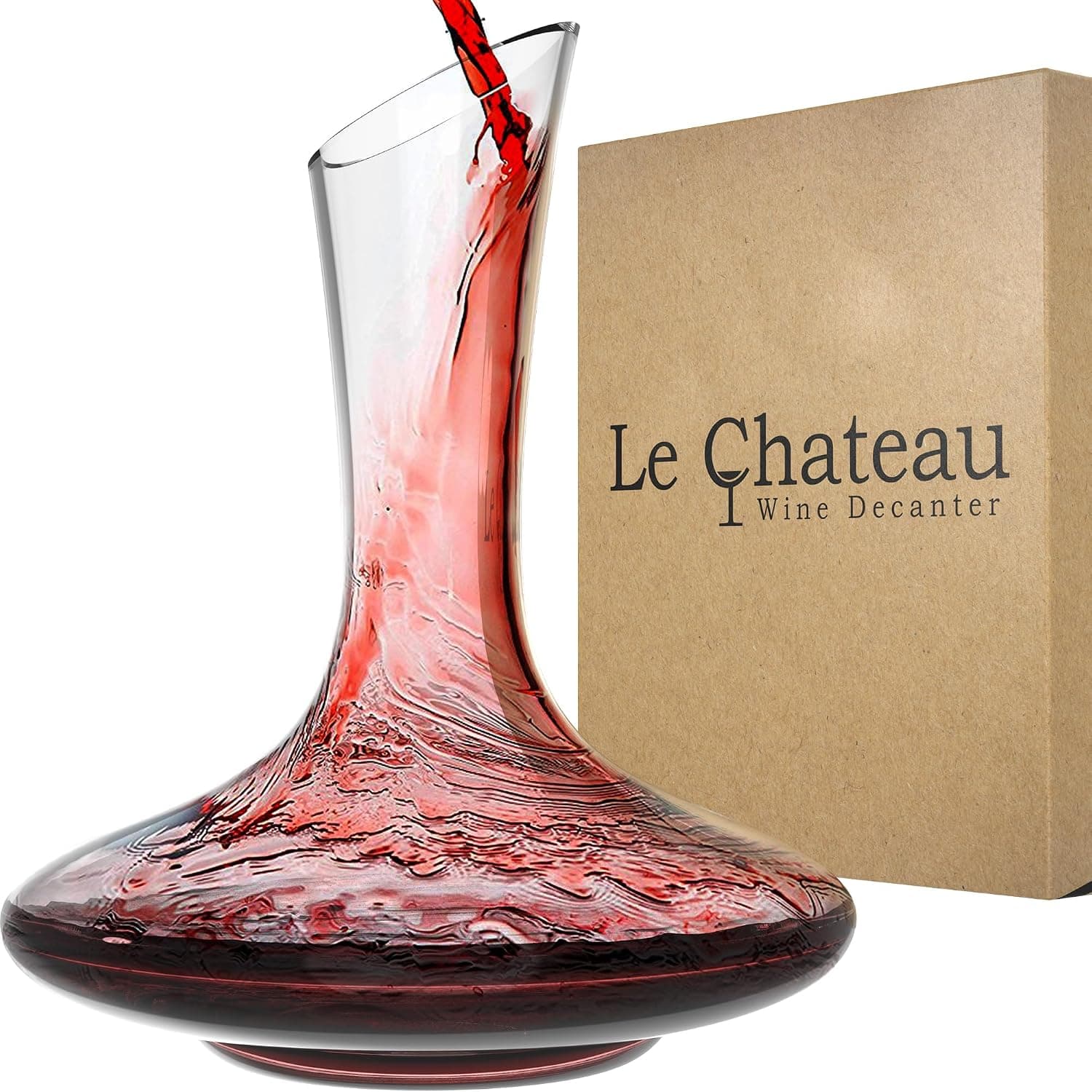
Decanting and letting wine breathe can help certain bottles, though the effect is often overstated. Young, tannic red wines can soften and open up with some exposure to air, so pouring them into a decanter or simply an hour before serving can improve them. Older reds may throw sediment, and decanting gently separates the clear wine from the grit at the bottom. Most everyday wines, however, are perfectly enjoyable straight from the bottle, so do not feel obligated to decant everything.
Finally, a few practical habits keep things smooth when serving others. Pour for your guests before yourself, hold the bottle near its base and give it a slight twist as you finish each pour to catch any drips, and store opened bottles with a stopper in the refrigerator, where even reds will keep for a few days. None of this is complicated, and once these basics are automatic, serving wine at home feels relaxed and gracious rather than fussy.