How to Set Up a Home Bar
Published How we research
Pick a location near a sink and freezer that can hold bottles, tools, and glasses within reach. Get core tools first, a shaker, jigger, bar spoon, strainer, and paring knife, buying decent versions once. Start with a lean spirits lineup: vodka or gin, a whiskey, light rum, and tequila, plus vermouth and orange liqueur. Don't overlook fresh citrus, bitters, and homemade simple syrup, the quiet workhorses of good cocktails. Start glassware small with rocks glasses and coupes, adding highballs later. Finally, mix your first drink immediately and adjust the layout based on what feels awkward. Setting up a home bar sounds like a big project, but the truth is you can build a genuinely useful setup in an afternoon. The goal is not to recreate a cocktail lounge overnight. It is to give yourself a dedicated spot where the tools, spirits, and glassware you actually use live together, so making a drink feels easy instead of like a scavenger hunt across three cabinets.
Products from this article
The highest-scoring picks from the buying guides this article links to. Scores are our editorial assessment, not customer ratings.
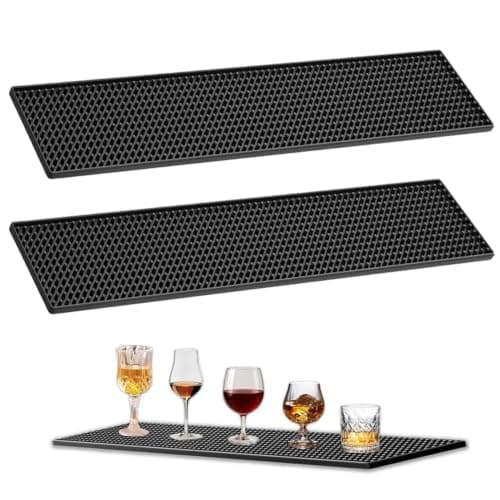
+ Doubles as a dish drying mat for glassware
From our guide: Best Bar Mats
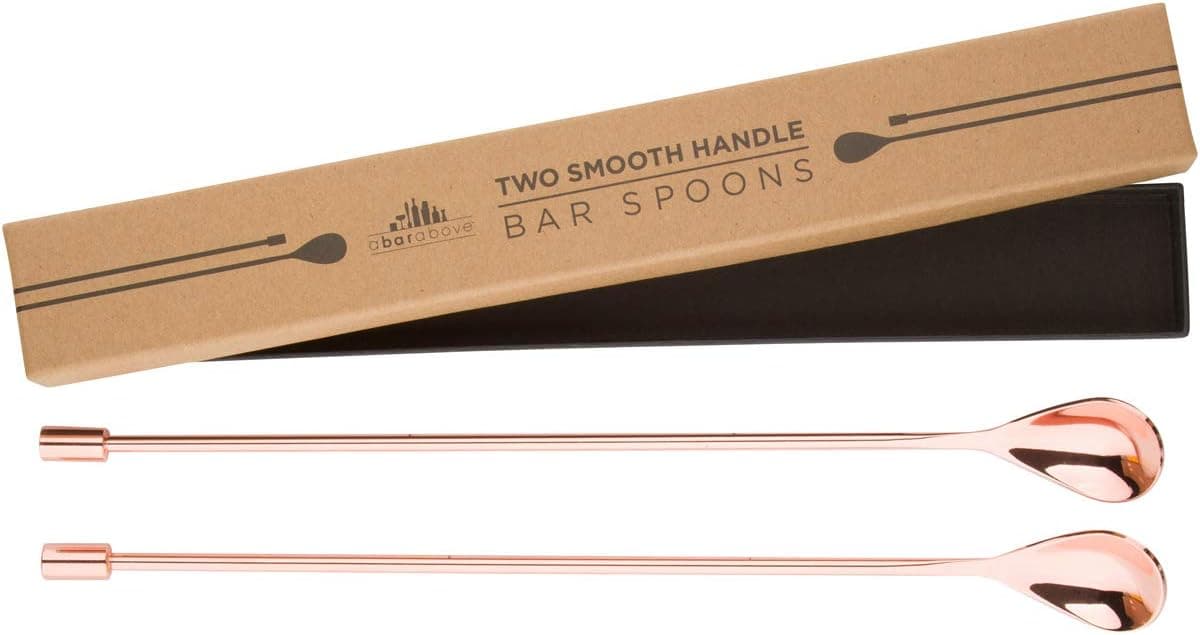
+ Copper finish adds warmth to a home bar tool kit
From our guide: Best Cocktail Stirrers
+ 2 pack covers both mixing and garnish areas
From our guide: Best Bar Mats
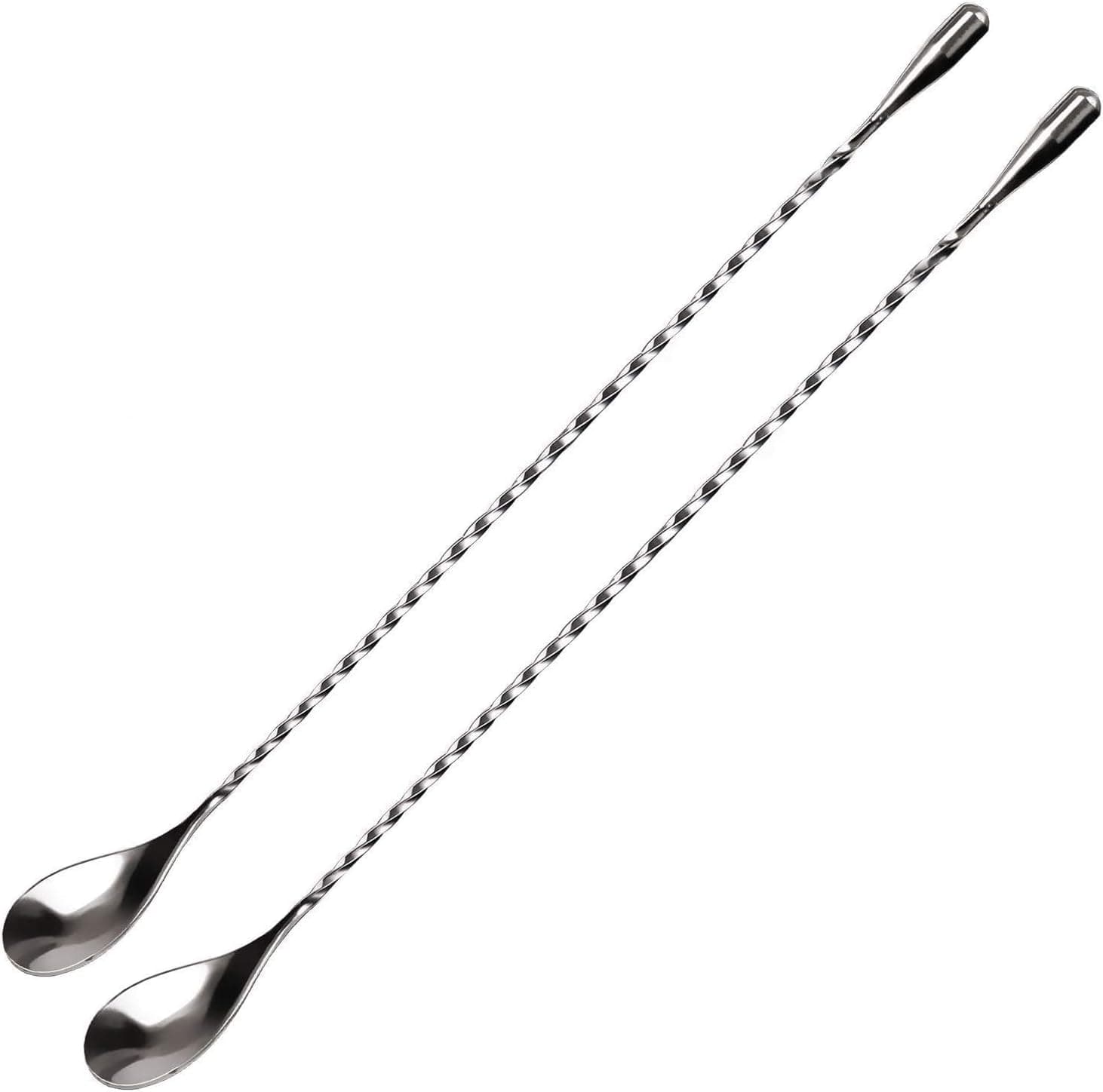
+ Teardrop end adds weight for balanced, smooth stirring
From our guide: Best Cocktail Stirrers


Start by picking your location
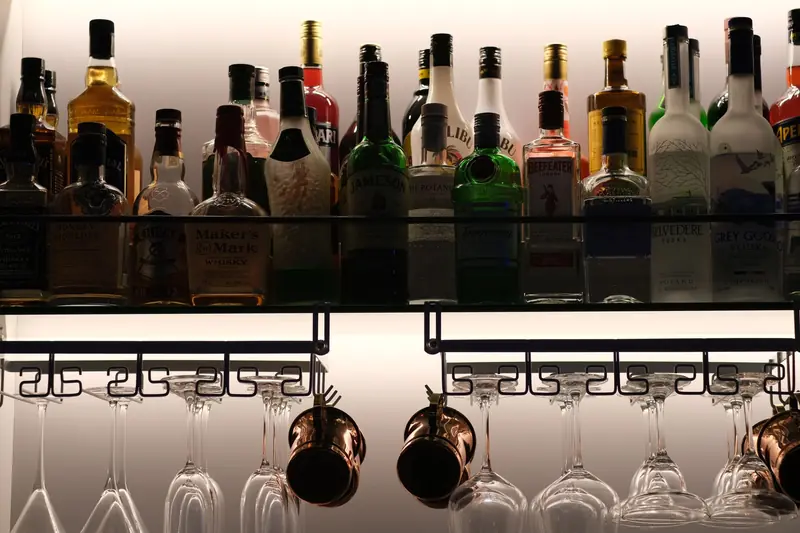
Start by picking your location. A bar cart, a section of kitchen counter, a sideboard, or even a sturdy shelf all work. What matters is that it can hold a few bottles, your tools, and a couple of glasses within arm's reach. If you have space nearby for a small cutting board and a bin of citrus, even better. Proximity to a sink and a freezer for ice makes the whole ritual smoother, so keep that in mind when you choose your spot.
Get the core tools, not a wall of gadgets
Next, get the core tools. You do not need a wall of gadgets. A shaker, a jigger for measuring, a bar spoon, a strainer, and a paring knife will carry you through the vast majority of cocktails. A shaking tin paired with a mixing glass covers both shaken and stirred drinks. Buy decent versions of these once rather than replacing flimsy ones later, and you will thank yourself every time you pour.
Choose a lean spirits lineup
For spirits, resist the urge to buy one of everything. A smart starter lineup is a bottle of vodka or gin, a bourbon or rye whiskey, a light rum, and a tequila. Add sweet vermouth and an orange liqueur, and you can already make a huge range of classics. You can always expand once you learn which drinks you gravitate toward, and a focused shelf is far less intimidating than a crowded one.
Don't overlook the supporting cast
Do not overlook the supporting cast. Fresh lemons and limes, a bottle of Angostura bitters, and homemade simple syrup are the quiet workhorses behind good cocktails. Fresh citrus in particular is the single biggest upgrade most beginners can make, turning a flat drink into something bright and balanced. Keep tonic, soda water, and a cola on hand for easy highballs when you want something simple.
Glassware can start small too
Glassware can start small too. A set of rocks glasses and a set of coupes or Nick and Nora glasses cover stirred spirit-forward drinks and shaken sours alike. Add highball glasses when you start making tall, fizzy drinks. Buy in pairs or fours so you are ready when a friend drops by.
Make your first drink the moment it's done
Finally, make your first drink the moment the setup is done. Pour a simple Old Fashioned or a gin and tonic, notice how everything is right where you need it, and adjust the layout based on what felt awkward. A home bar improves through use, not planning, so the sooner you mix something, the sooner it becomes truly yours.
Frequently asked questions
What tools do I actually need to start a home bar? A shaker, a jigger for measuring, a bar spoon, a strainer, and a paring knife carry you through the vast majority of cocktails, so buy decent versions of these first.
What spirits should a beginner home bar stock? A smart starter lineup is vodka or gin, a bourbon or rye whiskey, a light rum, and a tequila, plus sweet vermouth and an orange liqueur to unlock a huge range of classics.
What non-spirit ingredients matter most for a home bar? Fresh lemons and limes, Angostura bitters, and homemade simple syrup are the quiet workhorses, with fresh citrus being the single biggest upgrade most beginners can make.
What glassware should I buy first for a home bar? A set of rocks glasses and a set of coupes or Nick and Nora glasses cover stirred spirit-forward drinks and shaken sours alike, with highball glasses added once you make tall, fizzy drinks.
Popular right now
- Best Clear Ice MakersBuying guide
- Jigger Measurements GuideArticle
- How to Unstick a Cocktail Shaker and Stop It LeakingArticle
- Lewis bag explainedGlossary
- Best Whiskey DecantersBuying guide
- Best Collins GlassesBuying guide
Based on the last 28 days of search and visitor data.